Author: Ganiyu Sobur Ayomide, Afe Babalola University, College of Law, Department of Public and International Law, Ado Ekiti, Ekiti State, Nigeria
ABSTRACT
Over the past three decades, the right to a healthy environment has achieved widespread global constitutional recognition. However, as the climate crisis accelerates, traditional environmental constitutionalism faces a structural rift: legacy rights frameworks designed primarily for localized, point-source pollution struggle to address the systemic, transboundary, and intergenerational dimensions of climate change. This paper argues for a paradigm shift toward a “climate-just” environmental constitutionalism. By examining recent comparative climate litigation and emerging constitutional jurisprudence, this study reveals how classic individualistic right-based models fall short of addressing distributive harms disproportionately borne by vulnerable populations and future generations. The paper proposes a reimagined constitutional framework that integrates procedural climate justice, substantive rights for future generations, and broader ecological duties. Ultimately, this legal evolution provides judges, legal scholars, and constitutional drafters with the conceptual framework required to transform the right to a healthy environment from a symbolic promise into an actionable instrument of climate accountability in the twenty-first century.
Keywords: Environmental Constitutionalism, Climate Justice, Climate Litigation, Right to healthy Environment (RTHE).
1. INTRODUCTION
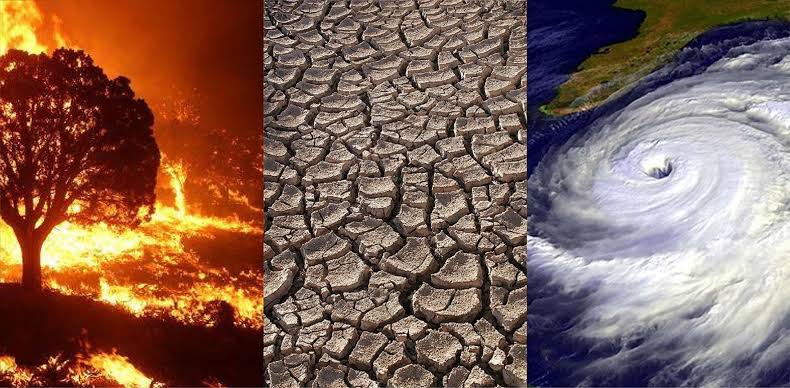
The anthropogenic climate crisis represents an existential threat that strains the limits of traditional environmental law[1]. Historically, domestic statutory frameworks developed to regulate localized, point-source pollution through administrative permitting and reactive tort remedies. However, the global, transboundary, and cumulative nature of greenhouse gas emissions has exposed profound structural vulnerabilities within these classic legal instruments. Conventional administrative law frequently fails to address the systemic scale of modern environmental degradation, leaving victims of climate disruption without direct or effective judicial redress.
In response to this institutional inadequacy, the late twentieth and early twenty-first centuries witnessed the dramatic global emergence of ‘environmental constitutionalism’ the incorporation of explicit environmental rights and duties into fundamental national texts[2]. Over 150 nations have constitutionalized the Right to a Healthy Environment (RTHE), a trajectory formally recognized at the international level by United Nations General Assembly Resolution 76/300 in 2022[3]. Parallel to this constitutional revolution is the evolution of ‘climate justice’, an ethos grounding climate harm in fundamental human rights principles[4]. Climate justice highlights how climate impacts disproportionately burden vulnerable, historically marginalized populations and future generations who contributed least to the crisis.
Despite these developments, However, a critical research problem persists: legacy formulations of the constitutional RTHE remain structurally ill-equipped to resolve contemporary climate claims[5]. Drafted before the full onset of planetary warming, traditional RTHE provisions are predominantly static, state-centric, and individualistic. Consequently, courts struggle to apply legacy constitutional provisions to transboundary harm, intergenerational obligations, and systemic governmental inaction[6].
This paper aims to reimagine the right to a healthy environment as an active instrument of twenty-first-century climate justice. It addresses two central research questions:
- How do legacy constitutional formulations of the RTHE fail to address the systemic and intergenerational dimensions of climate change?
- Through what legal mechanisms can environmental constitutionalism be reformed to incorporate substantive climate justice standards?
To answer these questions, Section 2 examines the conceptual limits of traditional RTHE jurisprudence. Section 3 analyzes comparative case law to evaluate how courts currently navigate climate litigation. Section 4 proposes a structural framework for a ‘climate-just’ environmental right, while Section 5 outlines the normative and judicial implications of this constitutional evolution.
2. CONCEPTUAL FOUNDATIONS
Environmental constitutionalism is an emerging idea that uses national and local constitutional laws to protect the environment. As constitution-makers around the world commit to protecting nature, courts are increasingly asked to enforce environmental rights both the right to a healthy environment itself and the legal processes needed to protect it. Written for judges, lawyers, policymakers, and scholars, this book brings together key writings on environmental constitutionalism to show its main features, challenges, and potential to strengthen environmental protection and government accountability[7]. The right to a healthy environment has grown steadily since 1972, when the Stockholm Declaration first stated that people have a fundamental right to an environment that allows for dignity and well-being. This declaration sparked widespread recognition of the right. Today, over 155 countries recognize the right to a healthy environment legally through regional treaties, national constitutions, or domestic environmental laws. Portugal became the first country to put this right into its constitution in 1976, and many other nations quickly followed.
Alongside national laws, strong regional agreements have also emerged. For example, the 1981 African Charter guarantees a satisfactory environment to peoples (a group right rather than an individual one). The 2004 Arab Charter, Latin America’s 1998 Protocol of San Salvador, and the 2018 Escazú Agreement all recognize the right of every person including future generations to live in a healthy environment[8]. In the European region, recognizing the right to a healthy environment is less direct. While the 1998 Aarhus Convention protects the right of present and future generations to a healthy environment, the 1950 European Convention on Human Rights does not explicitly mention it. Instead, the European Court of Human Rights protects the environment indirectly by interpreting existing rights such as using the right to life (Article 2) to protect against dangerous industrial activities, or using the right to private and family life (Article 8) to cover severe environmental damage. To fix this gap, the Parliamentary Assembly of the Council of Europe recommended in 2021 that an additional protocol be added to explicitly include the right to a healthy environment.
Internationally, progress is even slower because nations remain hesitant to adopt legally binding treaties recognizing this right. As a result, the right to a healthy environment has little direct legal force in international law. Following the Stockholm Declaration, the 1992 Rio Declaration used timid language, stating only that people are entitled to a “healthy and productive life in harmony with nature.” Despite this reluctance, global initiatives like the IUCN’s Draft Covenant (1995) and the draft Global Pact for the Environment (2017) have continued pushing to include the right in binding international treaties[9].
3. The Right to a Healthy Environment in the Twenty-First Century: Gaps and Challenges
3.1. Current Formulations and Doctrinal Limitations
Although the Right to a Healthy Environment (RTHE) is enshrined in over 100 national constitutions and key regional legal instruments such as the African Charter on Human and Peoples’ Rights[10] and the Escazú Agreement legacy formulations face acute structural limitations when applied to anthropogenic climate change. Traditional RTHE jurisprudence was designed around localized, point-source environmental degradation, creating severe legal friction in climate litigation across four main dimensions.
First, courts struggle with causation and attribution, as it remains difficult to trace specific localized climate impacts to individual state or corporate emissions within a cumulative global system. Second, classic constitutional rights stop at sovereign borders, creating significant challenges for extraterritorial harm where low-emitting states cannot easily hold high-emitting nations accountable. Third, traditional rights paradigms prioritize present-day individual victims, offering weak standing mechanisms to protect future generations against compounding legal and physical burdens. Finally, judges frequently dismiss climate suits on grounds of justiciability and separation of powers, treating systemic emission reduction targets as socio-economic policy reserved strictly for the executive and legislature.
3.2.North–South Dimensions and Climate Injustice
These legal limitations reflect deep structural inequities between the Global North and Global South. High-income, industrialized nations historically generated the vast majority of cumulative global emissions, yet the catastrophic consequences such as rising sea levels, severe droughts, and agricultural collapse are disproportionately suffered by developing nations[11]. In these developing regions, particularly across Africa and Latin America, fragile socio-economic infrastructure further exacerbates vulnerability to climate disruption. Consequently, a traditional, formalistic application of the RTHE that fails to incorporate principles of Common But Differentiated Responsibilities perpetuates climate injustice, forcing vulnerable populations to absorb transboundary harm generated elsewhere without adequate legal redress.
3.3. Emerging Judicial Approaches
To bridge these doctrinal gaps, innovative courts and international treaty bodies are actively reframing constitutional and human rights frameworks. For instance, in Neubauer v Germany, the German Federal Constitutional Court held that failing to mandate sufficient near-term emission reductions unconstitutionally offloads the decarbonization burden onto young and future generations, directly infringing their fundamental liberties[12]. Similarly, in Held v Montana, a United States state court invalidated statutory provisions that prohibited agencies from considering greenhouse gas emissions during environmental reviews, holding that Montana’s constitutional right to a clean environment imposes an affirmative duty on the state to protect climate stability[13]. Finally, at the international level, the UN Committee on the Rights of the Child ruled in Sacchi v Argentina that states exercise extraterritorial jurisdiction when carbon emissions originating within their borders cause reasonably foreseeable harm to children residing abroad[14].
4. REIMAGINING THE RIGHT: TOWARDS A CLIMATE-JUST CONSTITUTIONAL FRAMEWORK
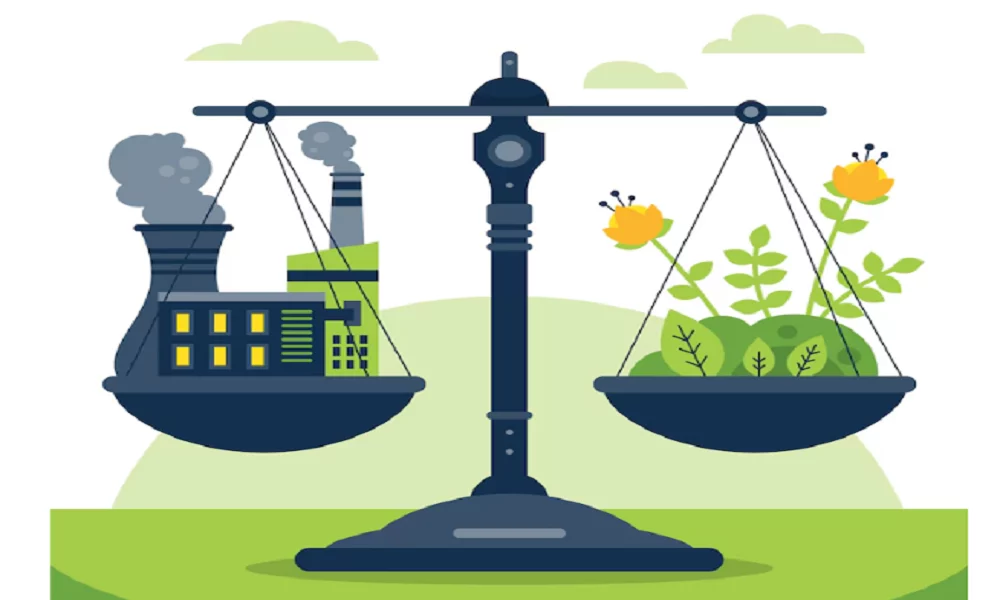
To transform the Right to a Healthy Environment (RTHE) into an effective legal instrument for the climate era, constitutional design must evolve beyond static, pollution-focused models. A reimagined framework requires the explicit constitutional recognition of a climate dimension, directly guaranteeing a stable, safe climate system as a prerequisite for the enjoyment of all human rights[15]. Furthermore, this right must anchor both intragenerational and intergenerational equity, creating justiciable duties that prevent current generations from overconsuming the global carbon budget at the expense of future populations[16].
Crucially, substantive climate guarantees cannot function without robust procedural rights. Modern constitutional design must constitutionally guarantee public access to environmental information, meaningful public participation in climate policy, and unimpeded access to administrative and judicial review[17]. Additionally, a climate-just constitution must expand accountability mechanisms by extending environmental obligations beyond the state to non-state actors specifically transnational corporations whose emissions and commercial activities drive climate destabilization[18].
Integrating climate justice into constitutional drafting and judicial interpretation requires a paradigm shift in how rights are conceptualized. Rather than treating environmental rights as negative liberties that merely restrict state interference, courts and constitution-drafting bodies must view them as positive, transformative duties. This approach incorporates distributive and restorative justice principles, requiring states to allocate resources and adaptation measures preferentially toward vulnerable and historically marginalized communities. In practice, judges must adopt dynamic interpretive methodologies, assessing state action against global scientific benchmarks such as the 1.5°C threshold established under the Paris Agreement rather than purely deferring to broad legislative discretion[19].
Progressive jurisdictions offer valuable blueprints for this constitutional transformation. In Colombia, the Supreme Court in Future Generations v Ministry of the Environment recognized the Colombian Amazon as a subject of rights, combining intergenerational equity with the rights of nature to order comprehensive deforestation reduction plans[20]. Similarly, South Africa’s Constitution demonstrates how embedding socio-economic rights alongside environmental protection provides a constitutional foundation for addressing historical inequalities while advancing ecological sustainability[21].
Ultimately, reimagining the RTHE through a climate justice lens unlocks the full potential of transformative environmental constitutionalism. By bridging the gap between substantive human rights, intergenerational duties, and corporate accountability, this framework equips courts to serve as vital guardians of climate stability and fundamental human dignity in the twenty-first century.
5. CONCLUSION
This paper has argued that traditional formulations of the Right to a Healthy Environment (RTHE) are structurally inadequate for addressing the systemic, transboundary, and intergenerational threats posed by anthropogenic climate change. Built around localized point-source pollution, legacy environmental rights struggle to overcome formidable doctrinal barriers regarding causation, extraterritoriality, and justiciability. By synthesizing comparative jurisprudence and critical climate justice principles, this study demonstrates that environmental constitutionalism must evolve from a static, reactive instrument into a dynamic, rights-based mechanism for systemic state and corporate accountability. By articulating a framework for a ‘climate-just’ constitutional right, this paper contributes to emerging legal scholarship by bridging the divide between constitutional theory, human rights, and climate governance. It moves the discourse beyond symbolic constitutional promises toward actionable standards that integrate substantive climate metrics, procedural guarantees, and explicit intergenerational duties.
The implications of this reimagined right extend across constitutional design, strategic litigation, and public policy. For constitutional drafters, it provides a blueprint for embedding climate stability and rights of future generations directly into foundational texts. For litigants and judges, it offers a principled framework to evaluate state emission reduction targets against objective scientific thresholds rather than political discretion.
As the window to prevent catastrophic planetary warming rapidly closes, continuing to rely on legacy legal instruments is no longer viable. Reimagining the right to a healthy environment is not merely an academic exercise, but a constitutional imperative. By transforming this right into a vanguard of climate justice, constitutional law can fulfill its highest purpose: protecting human dignity, ecological integrity, and fundamental rights across generations.
[1]Intergovernmental Panel on Climate Change (IPCC), Climate Change 2023: Synthesis Report (IPCC 2023) 42.
[2]James R May and Erin Daly, Global Environmental Constitutionalism (Cambridge University Press 2015) 12–18.
[3]UNGA Res 76/300 ‘The human right to a clean, healthy and sustainable environment’ (28 July 2022) UN Doc A/RES/76/300.
[4]Lynda Collins, The Ecological Constitution: Reframing Environmental Law (Routledge 2021) 45–48.
[5]David R Boyd, The Environmental Rights Revolution: A Global Study of Constitutions, Human Rights, and the Environment (UBC Press 2012) 89–92.
[6]Held v Montana Cause No CDV-2020-307 (1st Dist Ct Mont 14 August 2023).
[7]James R May and Erin Daly (eds), Environmental Constitutionalism (Edward Elgar Publishing 2016) 245.
[8]Yann Aguila, ‘The Right to a Healthy Environment’ (International Union for Conservation of Nature, 29 October 2021) <https://iucn.org/news/world-commission-environmental-law/202110/right-a-healthy-environment> accessed 28 July 2026.
[9]Yann Aguila, (n, 8).
[10]African Charter on Human and Peoples’ Rights (adopted 27 June 1981, entered into force 21 October 1986) 1520 UNTS 217, art 24.
[11]Intergovernmental Panel on Climate Change (IPCC), Climate Change 2022: Impacts, Adaptation and Vulnerability (CUP 2022) 12–15.
[12]Neubauer et al v Germany BVerfG, Case No 1 BvR 2656/18 (24 March 2021) paras 183–195.
[13]Held v State of Montana Cause No CDV-2020-307 (1st Dist Ct Mont 14 August 2023) 98–101.
[14]Sacchi et al v Argentina UN Committee on the Rights of the Child Comm No 104/2019 (8 October 2021) UN Doc CRC/C/88/D/104/2019 paras 10.7–10.12.
[15]David R Boyd, The Rights of Nature: A Legal Revolution That Could Save the World (ECW Press 2017) 112–115.
[16]Lynda Collins, The Ecological Constitution: Reframing Environmental Law (Routledge 2021) 88–92.
[17]UN Environment Programme (UNEP), Environmental Rule of Law: First Global Assessment (UNEP 2019) 45–48.
[18]Suriya Deva, Regulating Corporate Human Rights Violations: Human Rights Remedies and the Multinational Enterprise (Routledge 2012) 134.
[19]Paris Agreement (adopted 12 December 2015, entered into force 4 November 2016) 3156 UNTS 79, art 2(1)(a).
[20]Future Generations v Ministry of the Environment and Others Supreme Court of Justice of Colombia, Civil Cassation Chamber, STC4360-2018 (5 April 2018) paras 11.1–11.3.
[21]Constitution of the Republic of South Africa, 1996, s 24.